Concrete Repair vs Replacement: Which Is the Better Option?
Understanding whether concrete repair or replacement is best can be confusing, but local contractors can evaluate your situation and recommend the most effective solution.
Deciding between concrete repair and replacement is a common concern for property owners looking to maintain or improve the durability and appearance of their surfaces. Whether dealing with cracks, settling, or surface deterioration, understanding the practical differences can help determine the best course of action. This guide offers insights into how local contractors can assist in evaluating the condition of concrete and recommend solutions that balance cost, longevity, and structural integrity, ensuring that property owners make informed decisions.
Exploring the options for concrete repair versus replacement is especially relevant for those managing residential or commercial properties in the area. Local service providers are equipped to assess the specific needs of each project, providing solutions that can extend the life of existing concrete or, when necessary, replace it with minimal disruption. Keep reading to learn more about the factors that influence the choice between repairing or replacing concrete, and how trusted local contractors can help achieve the best results for your property.
- Concrete repair services are suitable when cracks, surface damage, or minor deterioration are present, and local contractors can restore the existing concrete efficiently. When the foundation or structural integrity is compromised, local service providers may recommend concrete replacement to ensure safety and durability. For aging or heavily damaged concrete surfaces, local pros evaluate whether repair can extend the lifespan or if full replacement is necessary. In cases of severe spalling or widespread deterioration, local contractors often advise replacement to achieve a long-lasting solution. For projects involving aesthetic improvements or significant surface damage, local specialists help determine if repair or replacement offers the best value.
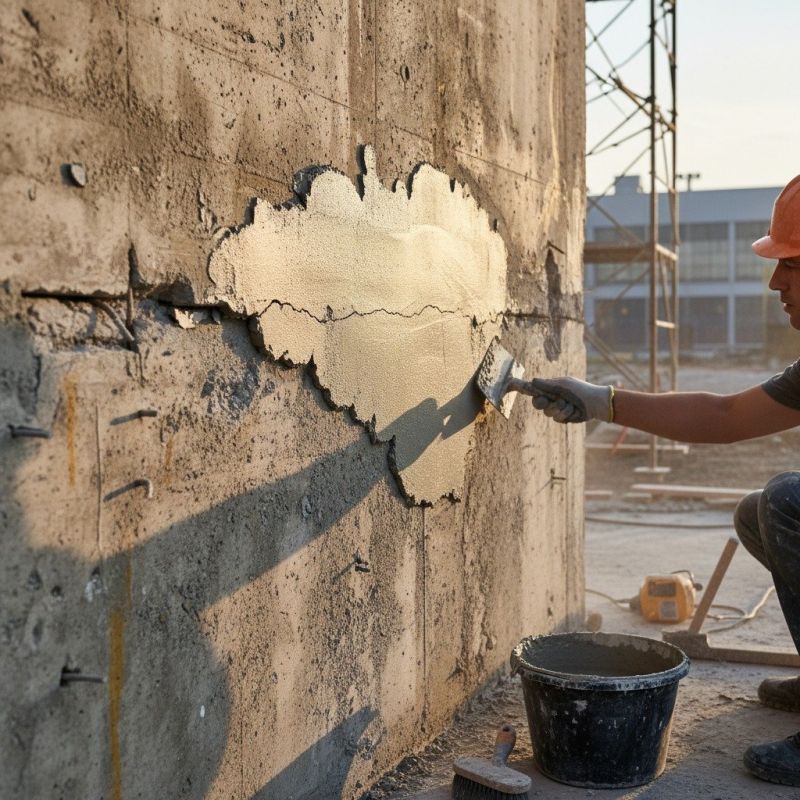
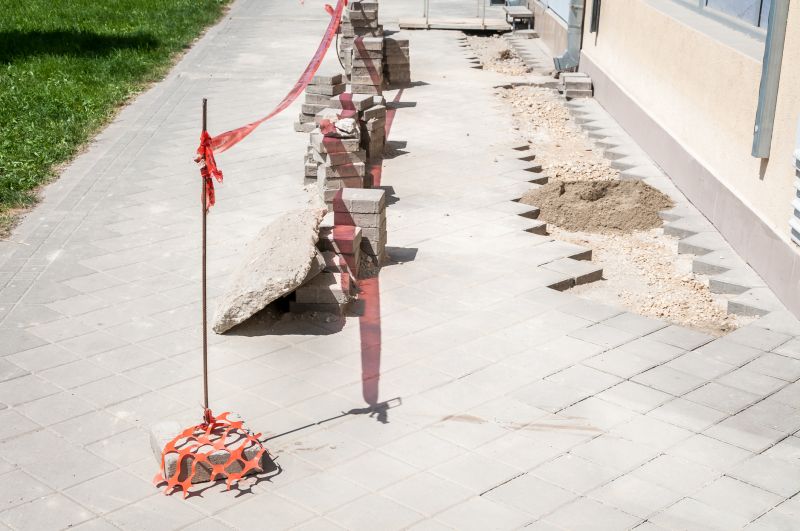
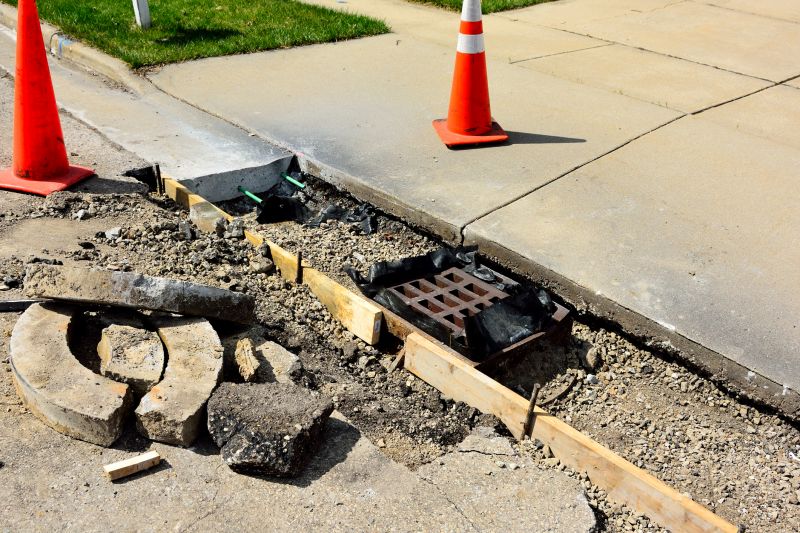
When people search for concrete repair vs replacement: which is the better option?, they are often trying to determine the most practical and cost-effective way to address issues with existing concrete surfaces. This topic usually comes up when homeowners notice cracks, spalling, unevenness, or other signs of deterioration in concrete structures such as driveways, patios, sidewalks, or garage floors. The goal is to understand whether repairing the damaged areas can restore the surface’s appearance and function, or if a full replacement is necessary to achieve long-term durability. Homeowners want to make informed decisions that balance budget, timeline, and the expected lifespan of the concrete, which is why they seek guidance from local contractors experienced in both repair and replacement methods.
The problems that lead homeowners to consider concrete repair or replacement often stem from common issues like cracks caused by settling or temperature changes, surface scaling or flaking, and uneven surfaces resulting from ground movement. These concerns are typically linked to plans to improve curb appeal, ensure safety, or prepare a property for sale. Sometimes, the concrete has simply reached the end of its useful life and shows extensive damage or structural compromise. Local service providers can evaluate the extent of deterioration, identify underlying causes, and recommend whether a targeted repair-such as patching or sealing-will suffice or if a complete replacement is necessary to restore the surface’s integrity.
The types of properties that frequently encounter these decisions include residential homes, especially those with driveways, walkways, patios, and garage floors. Commercial properties like parking lots, storefront entrances, and industrial floors also often face similar considerations. These properties typically have high foot or vehicle traffic, which can accelerate concrete wear and tear. Homeowners and property managers need to understand how different issues impact safety, appearance, and functionality, and how local contractors can tailor solutions to specific property needs. Whether addressing minor cracks or replacing entire slabs, the goal is to select the option that provides the best long-term value and performance for the property.
Understanding the differences between concrete repair and replacement helps property owners make smarter choices about their projects. Repair options are generally less invasive and quicker to complete, making them suitable for minor damage or surface-level issues. Replacement, on the other hand, may be necessary when the concrete has significant structural problems or extensive deterioration that cannot be effectively fixed with repairs. Local service providers are equipped to assess each situation carefully, offering solutions that match the condition of the concrete and the property’s goals. By working with experienced contractors, homeowners can ensure their projects are handled efficiently, with the right approach chosen to fit the specific needs of their property.
Garage Floor Resurfacing - professionals skilled in concrete resurfacing can address surface damage and improve appearance, similar to concrete repair services.
Driveway Paving - local contractors specializing in driveway installation and repair utilize planning and tools comparable to those used in concrete replacement projects.
Patio Construction - creating or restoring outdoor concrete patios involves planning and techniques similar to concrete repair and replacement methods.
Foundation Crack Repair - addressing structural cracks requires expertise in concrete assessment and repair, aligning with skills used in concrete restoration.
Sidewalk Repair - fixing or replacing damaged walkways involves similar planning and concrete handling tools as those used in larger concrete projects.
Stamped Concrete Finishing - decorative concrete work requires precise planning and surface preparation, comparable to techniques used in concrete repair and replacement.
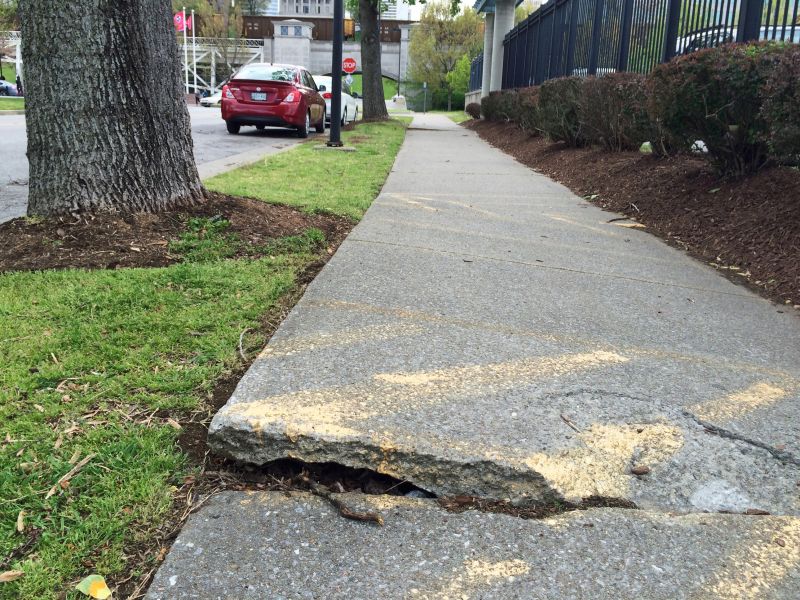
When evaluating concrete repair versus replacement, it’s essential to consider the experience of local contractors with similar projects. Homeowners should seek service providers who have a proven track record of handling concrete issues comparable to their own, whether it involves cracks, spalling, or uneven surfaces. Contractors with extensive experience in these areas are more likely to understand the nuances of each approach and recommend the most appropriate solution based on the specific condition of the concrete. This familiarity can help ensure that the chosen method-repair or replacement-addresses the root cause effectively and results in a durable, long-lasting outcome.
Clear, written expectations are a key factor when comparing local service providers for concrete repair or replacement services. Homeowners should look for contractors who can provide detailed descriptions of what each process entails, including the scope of work, materials used, and the anticipated results. Having this information in writing helps prevent misunderstandings and ensures that everyone is on the same page about what the project will involve. Transparent communication about the work process also allows homeowners to make informed decisions about whether repair or replacement is the better option based on the condition of their concrete and their long-term goals.
Reputable references and good communication are vital when choosing local contractors for concrete services. Homeowners are encouraged to ask for references from previous clients who had similar work completed, as this can provide insight into the contractor’s reliability, quality of work, and professionalism. Additionally, service providers who communicate clearly and promptly are often better at managing expectations and answering questions throughout the project. Establishing a strong line of communication and verifying a contractor’s reputation through references can help homeowners feel more confident in their decision, ensuring the chosen professional is capable of recommending the most suitable solution-whether that’s concrete repair or replacement-for their specific needs.
Property owners often search for concrete repair vs replacement: which is the better option? when they are planning practical projects around their homes and businesses. Local pros provide Concrete Repair or Replacement services for everyday jobs and straightforward project options.
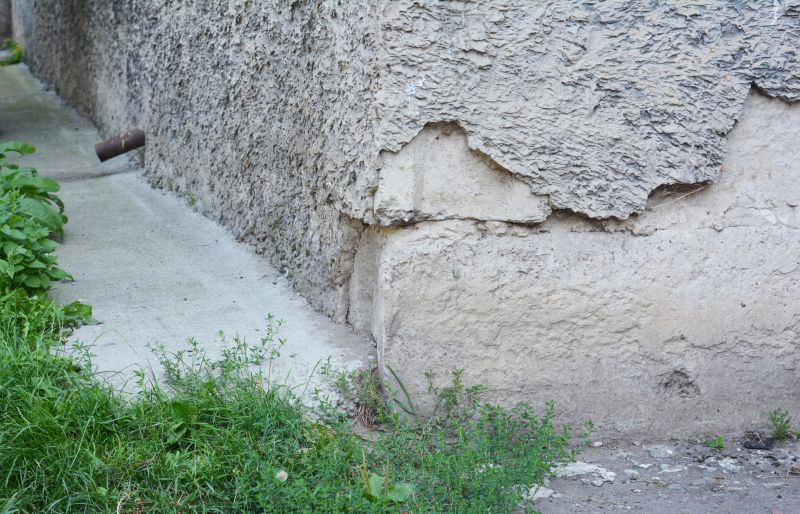
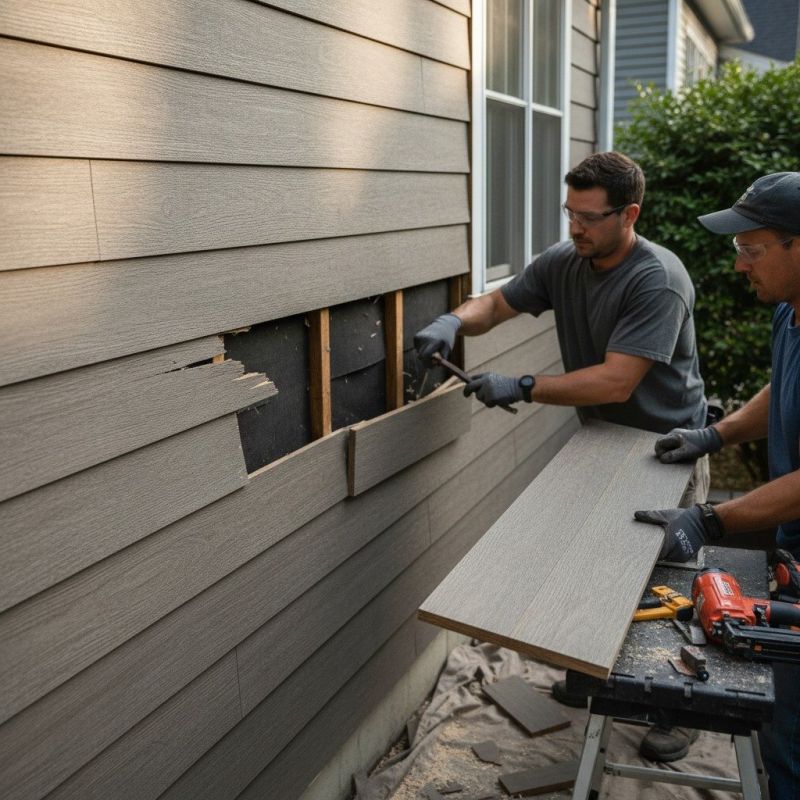
In many everyday project situations, property owners often wonder whether concrete repair or replacement is the better choice for addressing issues like cracks, uneven surfaces, or deterioration. When concrete problems are minor or localized, local contractors may recommend repairs, such as filling cracks or resurfacing the existing material, to restore functionality and appearance without the need for a full replacement. These repair options are typically quicker and more cost-effective, making them appealing for homeowners looking to improve their property with minimal disruption.
However, in cases where concrete has extensive damage, significant structural concerns, or has become unsafe, replacement might be the more practical solution. Local service providers can evaluate the condition of the concrete and help determine if repairs will hold or if a full replacement is necessary for long-term durability. Understanding the differences between concrete repair vs replacement can help property owners make informed decisions that best suit their needs and budget, with experienced local contractors providing guidance along the way.
When should concrete repair be considered instead of replacement? Concrete repair is suitable when damage is limited to surface cracks, minor spalling, or small areas of deterioration, allowing the existing slab to be restored effectively by local contractors.
Is replacement necessary if the concrete is heavily cracked or sinking? Significant issues like extensive cracking, sinking, or structural instability often require concrete replacement, which local service providers can handle to ensure safety and durability.
Can concrete repair extend the lifespan of my existing slab? Yes, concrete repair can significantly prolong the life of a damaged slab by addressing issues early, making it a practical alternative to replacement for certain types of damage.
What factors influence whether repair or replacement is the better choice? The extent of damage, age of the concrete, and the overall condition of the slab are key factors that local contractors assess to recommend the most appropriate option.
How do local contractors determine whether to repair or replace concrete? They evaluate the severity of damage, the structural integrity of the slab, and the cost-effectiveness of repair versus replacement to determine the best solution for each situation.
Assessing damage for repair or replacement - Property owners can evaluate the extent of concrete damage to decide whether repairs will restore the surface or if replacement is necessary, with guidance from local contractors.
Choosing repair methods for minor issues - For small cracks or surface deterioration, property owners might opt for concrete repair services to extend the lifespan of existing concrete before considering full replacement.
Planning for long-term durability - When planning a concrete project, property owners can consult local pros to determine whether repair or replacement offers better long-term performance based on the condition of the existing concrete.
Matching new concrete with existing surfaces - In projects involving partial replacement, property owners can work with local contractors to ensure new concrete blends seamlessly with existing structures for a cohesive appearance.
If you are thinking about concrete repair vs replacement: which is the better option? for a property, this guide is meant to help you understand this topic, the typical project types, and how different options might fit your plans.
When you are ready, you can use the quote form on this page to share a few details about your project. From there, local pros can review the basics and follow up with options that match what you have in mind.